What is Art Psychotherapy?
The transformative effects of making
Art Psychotherapy is an established, evidence-based form of psychotherapy. We meet weekly for 50-minute sessions in a private, confidential studio. You can choose to make art, talk, or both. You don’t need any art skills or experience.
Making and talking are the main ways we express things in sessions. Together we build a safe therapeutic relationship. Over time, you create a body of artwork. It can show thoughts and feelings you are aware of, and some you may not be aware of yet. My approach is psychodynamic. What you bring is held with care and explored at a pace that feels manageable for you.
Making art gives feelings a form outside yourself. Once they are on paper or in clay, they can be seen and understood. This can change how those feelings affect you.
International clinical research shows that Art Psychotherapy can reduce distress and support emotional, social and mental health. This is when it is provided by a qualified and registered Art Psychotherapist. It is particularly helpful after traumatic experiences that are hard to put into words. The UK National Institute for Health and Care Excellence (NICE) recommends arts therapies for people with psychosis and schizophrenia, particularly to help with negative symptoms. NICE guidelines are widely used as an international reference point.
I am registered with the Health and Care Professions Council in the UK and with ANZACATA in Australia. I will guide you gently in using the art materials and our relationship. This can help you reach a deeper understanding of complex thoughts, feelings and life experiences. My approach is trauma-informed, culturally responsive and person-centred.
How is this different from seeing a psychologist or joining an art group?
A psychologist mainly works through talking. Many use structured approaches such as cognitive behavioural therapy (CBT), which focuses on changing thoughts and behaviours. Not all psychologists work psychodynamically, and personal therapy is not usually part of their training.
A community art group can be creative, social and good for wellbeing. But it is not therapy. There is no assessment, no confidential one-to-one relationship and no therapist to help you make sense of what comes up.
Art Psychotherapy brings the two together. It is a psychological therapy, provided by a registered Art Psychotherapist with master’s-level training. Making art is part of the therapy itself. It gives you another way to express and work through things, especially when words are hard to find. As part of my psychodynamic training, I had five years of personal therapy. I still return to therapy from time to time to support my clinical practice, and I have regular psychodynamic clinical supervision.
What a session looks like
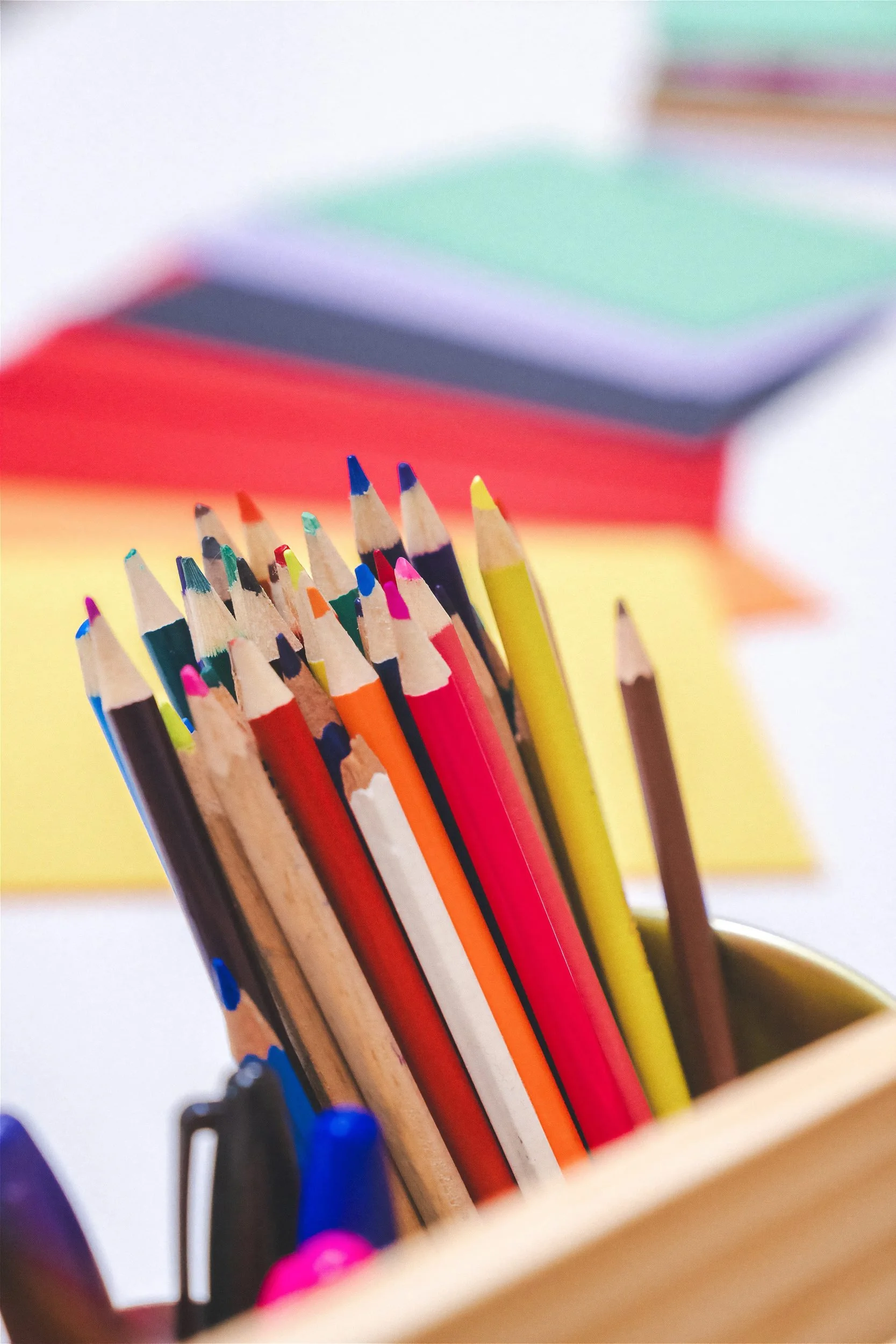
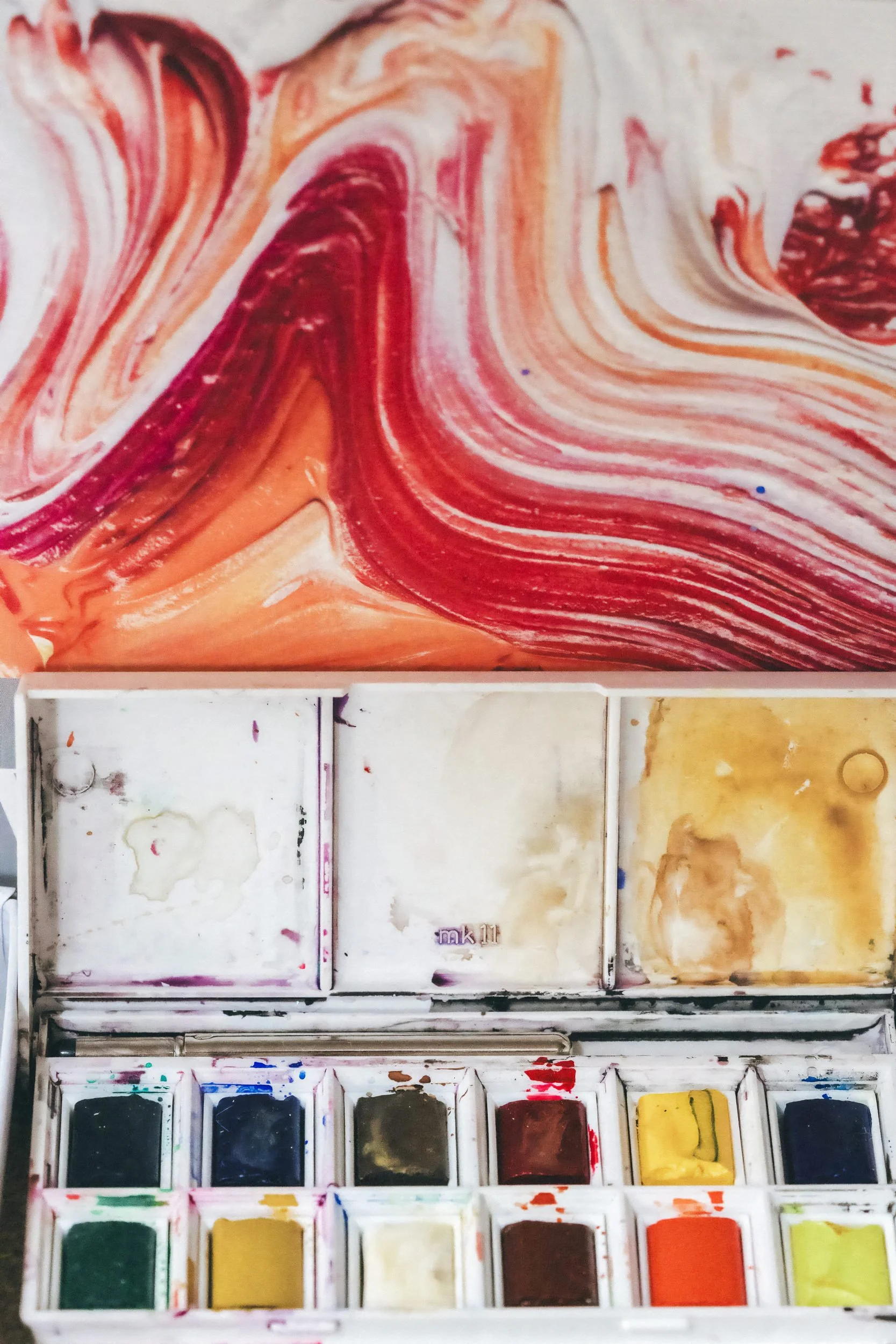
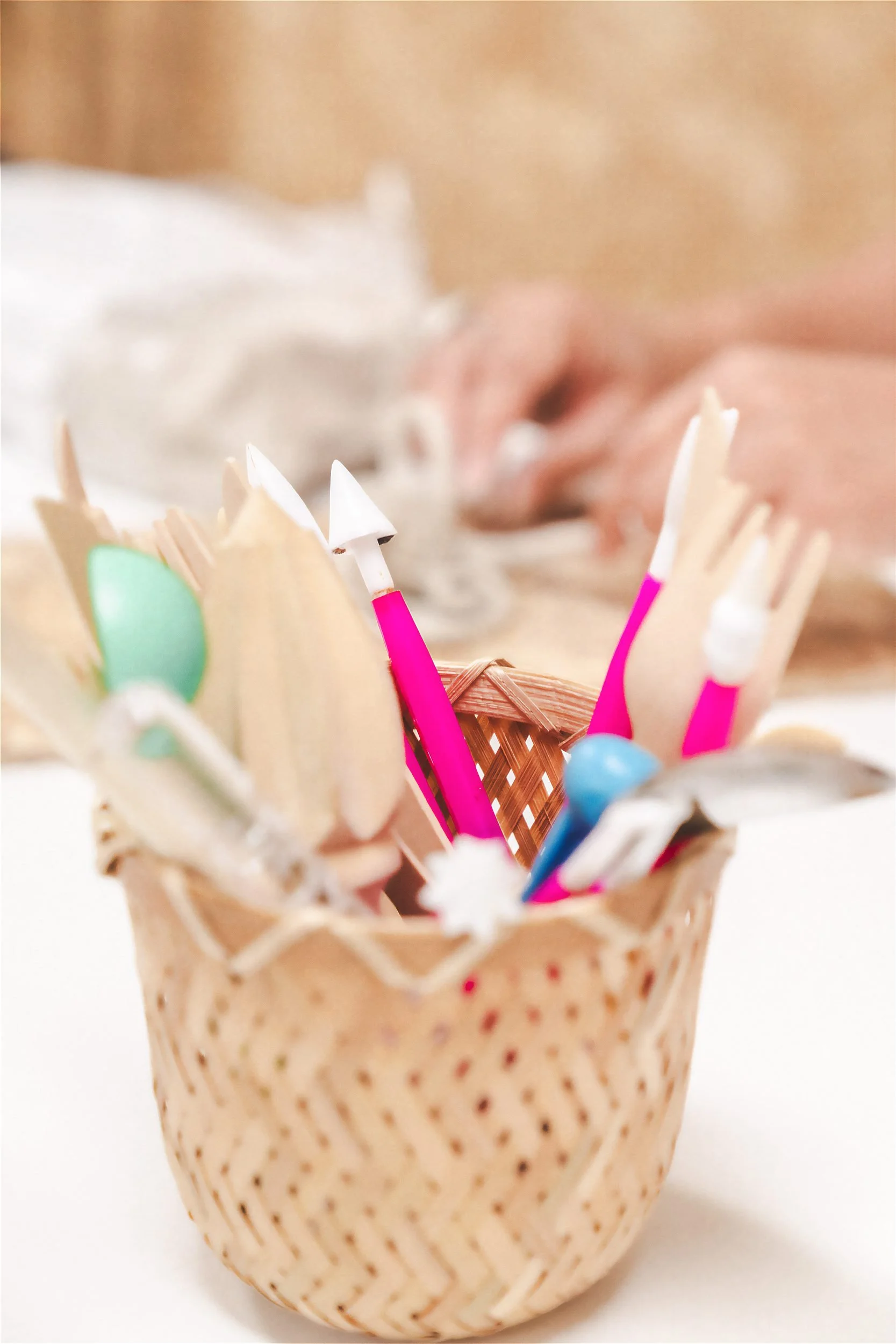
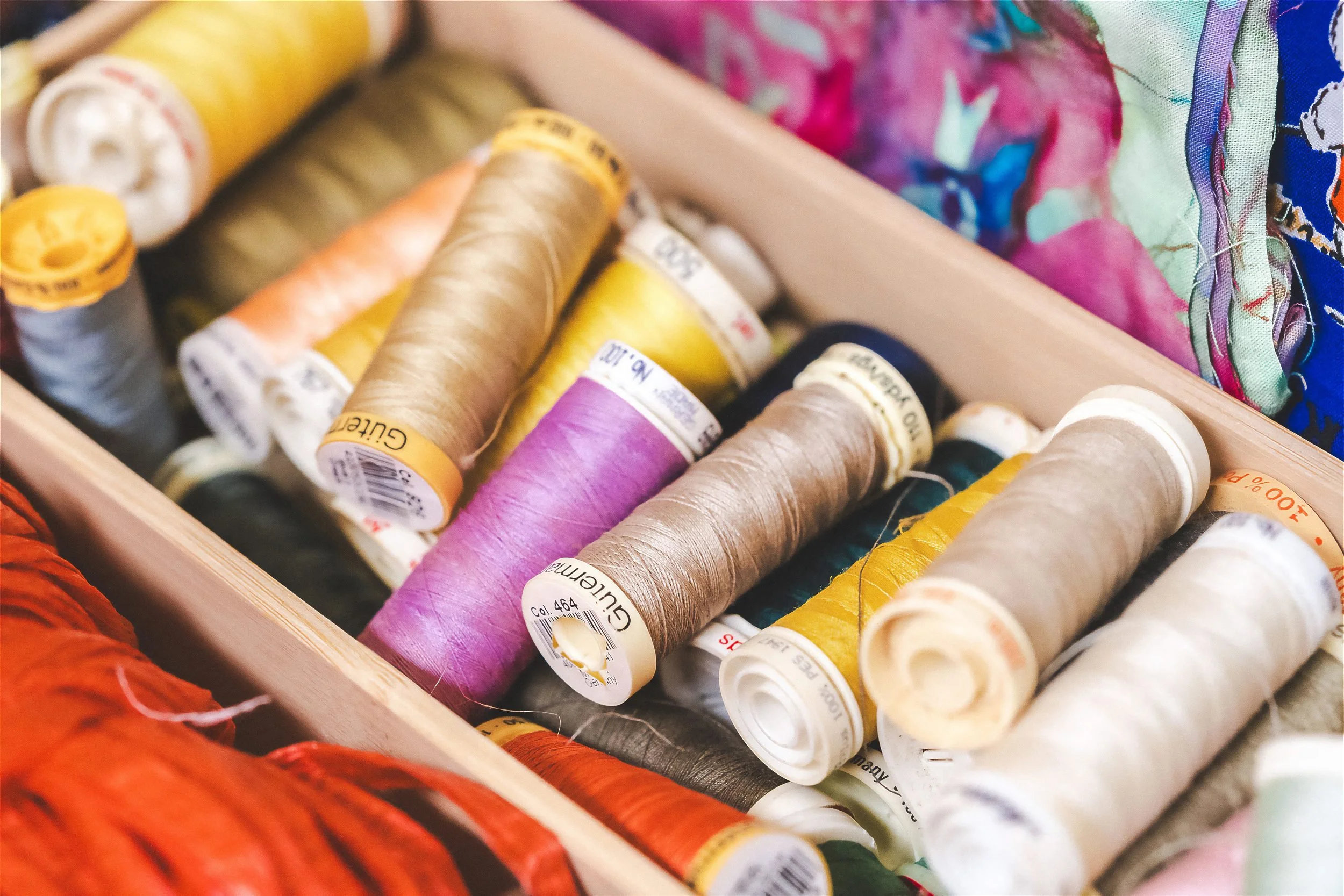
Each session lasts 50 minutes. Paints, clay, pastels, mixed media, textiles, inks, printing inks and a sand tray are all available. You can choose to make art, talk, or both. There is no set task and no right way to do it.
Who I work with
I offer sessions for adults and adolescents (13+). I specialise in working with adults with intellectual disabilities and autistic adults. My practice is inclusive and LGBTQIA+ affirming. People come to explore:
Anxiety. Including worry, panic, intrusive thoughts and passing experiences of hearing or seeing things.
Depression and low mood. Including lifelong experiences of low mood.
Grief, loss and life transitions. Such as bereavement, leaving home or country, relationship breakdown, retirement, becoming a parent, perimenopause and menopause.
PTSD after a single incident. Such as an accident, an assault, a natural disaster or something that happened at home.
Complex trauma. Complex PTSD and dissociation. This often comes from prolonged or repeated trauma, such as childhood abuse, sexual abuse, neglect, an unstable home life, war or unsafe migration.
Body and sense of self. How real or perceived changes to your body or identity affect you. This includes eating difficulties, weight changes from medication, gender exploration and dysphoria, body dysmorphia and adjustment difficulties.
Gender and sexual identity. A safe, affirming space for LGBTQIA+ people to explore identity, relationships and experiences of discrimination.
Culture and identity. Changes in identity from forced or economic migration, assimilation and systemic oppression. We explore these in a way that respects your own cultural frameworks.
Intellectual disability and neurodivergence. Living as a neurodivergent person in a largely neurotypical world, including intellectual disability, autism, acquired brain injury and neurological conditions. Sessions use sensory and hands-on ways of working that support regulation.
Bipolar disorder. Including experiences of mania and low mood, and finding stability over time.
Psychosis and schizophrenia. Living with psychosis or schizophrenia day to day, outside hospital. This includes persistent voices or visions, psychosocial disability and recovery.
Common questions
-
No. Art Psychotherapy is not an art class. Your work is never judged on how it looks. Many people who come have not made art since school.
-
No. Some sessions may be mostly talking, others mostly making. You decide what feels right on the day.
-
Your artwork belongs to you. I keep it safely and confidentially in the studio, so we can return to it as therapy goes on. When therapy ends, you are welcome to take your artwork with you. If you do not take it, it will be stored for two years. After that, it is securely disposed of as confidential waste.
-
Yes, within the limits that apply to all registered therapists, such as a serious risk to your safety or someone else’s. We go through this together in your first session.
Let’s talk
Book a free 20-minute call and we can talk it through.